
In a large Malibu home, backup planning is less about choosing the biggest generator and more about deciding what should keep working when utility power is unavailable. A useful plan accounts for the home’s electrical demands, equipment, and site rather than relying on a generic system size. For a tailored assessment, call Expert Electric Group at (747) 999-6090.
Reliable backup power for luxury homes Malibu starts with a prioritized list of essential and comfort loads. Followed by a site-specific design that matches the system and transfer equipment to the home.
That first list helps clarify whether the goal is to keep critical circuits online, support a broader range of household systems, or plan for a combination. Begin by separating must-have loads from the equipment that can be managed selectively.
How Should Malibu Luxury Homes Plan Reliable Backup Power?
Short answer: Start with a written priority-load list, then match the backup design to the circuits and equipment that matter most. Planning backup power for luxury homes Malibu residents can depend on means assessing actual household needs, not assuming one generator configuration will run everything.
Call Expert Electric Group at (747) 999-6090 to discuss a backup-power assessment.
Separate essential needs from comfort and convenience loads. This makes the design conversation more useful and clarifies whether the goal is to keep a selected group of circuits operating or to support a broader share of the home. Load-specific backup can separate critical circuits through panel work, rather than treating every appliance as an equal priority.
Which circuits should come first?
Begin with the equipment whose interruption would create the greatest practical concern. Examples may include refrigeration, selected lighting, internet equipment, medical devices, and security systems. The right list depends on the household: a medical device may be a firm priority, while lighting or connectivity needs can vary by room, use, and family routine. Identify the particular circuit or equipment, rather than writing only a broad label such as “electronics.”
A written inventory can also distinguish essential loads from items that are desirable but not necessary during an outage. That gives an electrician a clearer basis for reviewing circuits and developing a load schedule. Expert Electric Group’s load-specific backup setup is designed around critical circuits such as these.
Which larger loads need an individual decision?
In a large home, pool equipment, multiple HVAC zones, EV charging, and outbuildings are examples of possible loads to discuss during assessment. Their presence does not mean they should all run on backup power, or that a system will support them simultaneously. A homeowner may choose to prioritize one or more of these for comfort or property needs. But each choice affects the overall load plan and should be evaluated against the home’s electrical system.
HVAC deserves a specific conversation: list the zones or equipment that matter, then let a qualified electrician assess their electrical demand alongside the other selected loads. Pool pumps or related equipment can likewise be considered as optional loads, not assumed coverage. EV charging may be deferred or excluded from the priority list if keeping essential household circuits available is the main goal.
The aim is a clear, realistic scope, whether that means essential circuits or a broader backup plan. Ask for the selected loads to be documented so the system design reflects what the household intends to protect. No generic size or list can replace an assessment of the property’s actual circuits and priorities.
Which Backup System Fits a Large Malibu Home?
A suitable system depends on which circuits matter most, the home’s calculated electrical load, available fuel and installation space, and how long outages may last. There is no one configuration that fits every large property. A load assessment helps compare realistic options before selecting equipment.
For one household, the priority may be keeping refrigeration, lighting, internet, security, or medical equipment running. Another may want broader coverage that also considers multiple HVAC zones, pool equipment, or other large loads. These choices should be planned around actual priorities rather than assumptions about what a large home needs.
| Approach | What the plan centers on | Questions to resolve |
|---|---|---|
| Essential-load generator | Selected critical circuits, rather than every home circuit. | Which loads are essential, and how should they be grouped and connected? |
| Broader standby generator | A wider set of household loads, based on the calculated demand and selected coverage. | Which combination of HVAC, kitchen, pool, and other loads is a priority? |
| Battery | Storage-based backup for selected circuits or a planned range of household use. | What loads should it serve, and do outage expectations fit the proposed design? |
| Hybrid planning | A coordinated design that may combine solar, storage, and a generator. | How should each source fit the home’s priorities, equipment, and site? |
These are planning categories, not guarantees of capacity or runtime. A battery, generator, or combined design must be evaluated against the home’s load profile and the owner’s expectations. If longer outages are a concern, discuss how the selected loads and fuel or storage plan address that concern. Do not rely on a generic system description as a performance promise. Decisions about comfort, continuity, and which equipment can pause should be part of that conversation.
Fuel and site feasibility also shape generator planning. Expert Electric Group describes residential generator design with natural gas or propane options, along with sizing and system design. The home’s available fuel connection, equipment location, electrical distribution, and project requirements all need review. A whole-home backup system installation can be assessed alongside a plan for home standby generator installation and maintenance, rather than assuming that broader coverage is automatically the right answer.
Ask an electrician to calculate the loads, review site and fuel feasibility, and clarify the expected outage coverage before comparing configurations. That process helps make the tradeoffs visible, whether the goal is a focused essential-load plan or a broader, coordinated system.
How Do Transfer Switches Support Safe Backup Power?
In brief: A transfer switch routes selected home circuits between utility power and a backup source. Correctly sized and integrated with the generator and main panel, it helps keep the two power sources separated while backup power is in use.
When utility service is available, the selected circuits receive power from the grid. During an outage, the transfer equipment changes the source serving those circuits to the generator. When utility power returns, the system can switch back according to its design. This is the link between a generator and the parts of a home intended to receive backup power; it is not simply an accessory for starting a generator.
Automatic and Manual Options
An automatic transfer switch is designed to change sources automatically as part of a standby system. That can suit a home where owners want backup operation without manually handling the transfer when an outage occurs. A manual transfer switch requires the homeowner to make the change using the equipment’s intended controls, and is commonly paired with a portable generator. The right arrangement depends on the generator, the circuits to be served, and how the household expects to use backup power.
Neither option means every circuit or appliance will be supported. The transfer setup must correspond to the chosen backup loads and the electrical system. For a larger Malibu property, that may mean deciding how the switch and panel will serve priority circuits, rather than assuming every load can run at once. Appropriate equipment and integration matter for sensitive electronics too: do not assume a transfer switch alone guarantees protection from every power-quality issue. Discuss any specific equipment concerns with the electrician designing the system.
Why Professional Integration Matters
The switch, generator, and main panel need to work as one planned system. Expert Electric Group’s transfer-switch service includes sizing, product selection, and integration with the generator and main panel. A qualified professional can assess the intended loads and verify that the selected arrangement matches the home’s electrical setup, rather than relying on an improvised connection. Learn more about automatic transfer switch installation.
Transfer equipment addresses how electrical sources connect, but generator operation also requires attention to other hazards. The U.S. Consumer Product Safety Commission says portable generators should be operated outdoors, well away from windows. Doors, vents, and other openings, and recommends a working carbon monoxide alarm in the home. Follow the CPSC generator and carbon monoxide safety guidance alongside the generator manufacturer’s instructions. A system assessment can bring the load plan, transfer equipment, and safe operating practices together without treating any one component as a complete safety solution.
Where Should a Malibu Generator or Backup System Go?
Short answer: There is no single placement that fits every Malibu property. The location should be reviewed against the equipment manufacturer’s instructions, safe exhaust and airflow, access for service, fuel and electrical routes, noise, landscaping, and current City review requirements.
A generator needs open airflow and a discharge path that does not direct exhaust toward windows, doors, vents, or other openings. For portable generators, the Consumer Product Safety Commission says to operate them outdoors and well away from openings because exhaust contains carbon monoxide. A poisonous gas that cannot be seen or smelled. Keep a working CO alarm in the home when generators are used. These precautions do not replace the specific installation instructions for a permanently installed unit; have the proposed location checked for the equipment selected.

Sound is another practical concern. Consider where household members and neighbors spend time, and whether walls, patios, bedrooms, or outdoor living areas are close to the proposed unit. A screen or planting may help the equipment sit more naturally in the landscape, but it should not obstruct ventilation, access, or required clearances. Confirm that any enclosure or screening is compatible with the manufacturer’s instructions and the City’s current review.
Leave a workable route for technicians to inspect and maintain the equipment. The site plan should also account for how fuel piping and electrical conduit reach the generator and connect with the home’s electrical system. Longer or more complicated runs can affect the installation design, so review routing alongside the equipment location rather than treating it as an afterthought. Preserve access to panels, meters, gates, and service paths.
Malibu properties vary, so do not rely on a generic setback number or an old plan as a universal rule. Check the City of Malibu Building Safety information for the current development portal and plan-check process, then confirm the submittal path for the specific project. The City notes that planning approval precedes plan check where applicable. An electrician can coordinate the proposed site plan, manufacturer documentation, electrical work, and any required review with the relevant authorities.
Placement is one part of a broader system design. A professional assessment can compare equipment location with the home’s priority loads, panel configuration, transfer equipment, and fuel access before work begins. Expert Electric Group provides whole-home backup system installation and permit coordination. Discuss the property and intended coverage before choosing a location or buying equipment.
CPSC generator and carbon-monoxide safety guidance
What Should a Professional Backup-Power Assessment Include?
Short answer: A useful assessment documents the loads to protect, checks the existing electrical system, and matches equipment, fuel, transfer method, site conditions, and local review to the home.
For a larger Malibu property, the goal is a coordinated design rather than a generic generator recommendation. Expert Electric Group provides load assessment, system design, installation, fuel-line connection, and permit and inspection coordination. The company lists Malibu in its service area and describes itself as licensed and insured and a Generac Authorized Dealer and Certified Installer. The assessment should still be based on the home’s actual equipment and the homeowner’s priorities.
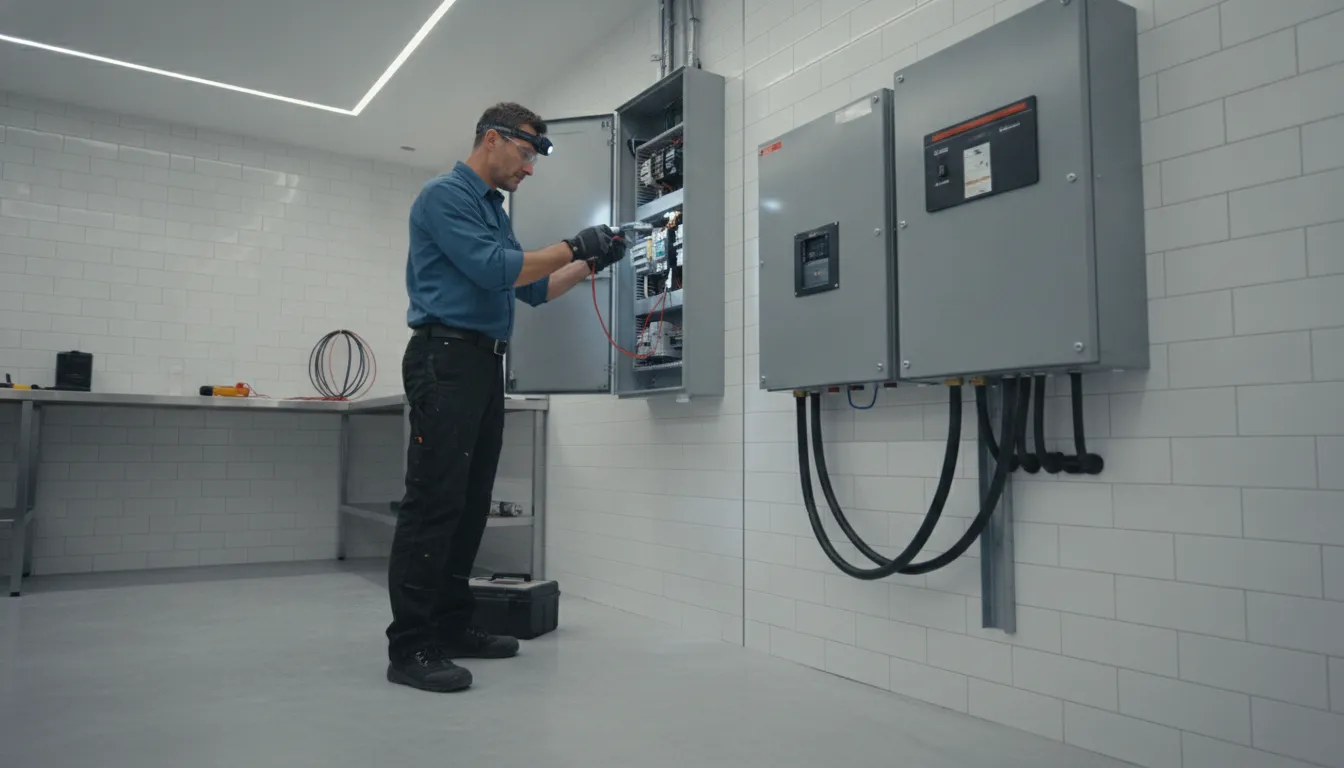
- Inventory and prioritize loads. List the circuits and equipment that matter during an outage, such as refrigeration, lighting, internet, medical devices, security, HVAC, pool equipment, or other property-specific needs. Separate essential loads from comfort or discretionary loads, then have the electrician assess the combined demand rather than assuming everything must run at once.
- Review the panel and circuits. The electrician checks panel capacity, circuit layout, and how selected loads could be supplied safely. If the existing distribution needs changes, discuss panel upgrades and power distribution as part of the plan. A written load schedule helps keep the equipment selection tied to the intended backup loads.
- Choose the system, fuel, and transfer path. Compare essential-load and broader backup approaches, then identify a suitable generator, battery, or combined design without presuming one option fits every home. The assessment should address natural gas or propane availability where relevant, and the transfer equipment needed to integrate the backup source with the selected circuits.
- Assess the site and local review. Consider an installation location, exhaust direction, service access, fuel and electrical routing, and the property’s design. Requirements can depend on the parcel and proposed equipment, so confirm current review steps with the City of Malibu, the manufacturer, and relevant agencies. Expert Electric Group includes permit and city-inspection coordination in its whole-home backup service.
- Plan installation, testing, maintenance, and monitoring. Confirm what will be tested at commissioning and how the owner can check system status. Monitoring and alerts are available for supported setups; ask which features apply to the selected equipment. Set a maintenance plan that follows the manufacturer’s instructions and equipment needs, and review generator maintenance plans.
Ask the installer to explain the design assumptions and what the system is not intended to power. For broader local context, see this Malibu generator outage readiness guide; this section focuses on system assessment, not outage troubleshooting.
Frequently Asked Questions
What does backup system sizing depend on?
It depends on which circuits you want available during an outage, how those loads operate together, and the home’s existing electrical setup. An electrician can review the panel and prepare a priority load list before recommending equipment. Avoid choosing a system from square footage alone.
Can backup power run pool equipment and multiple HVAC zones?
It may be possible, but those loads should be evaluated alongside essentials such as refrigeration, lighting, internet, and security. Pool pumps, heaters, and HVAC equipment can affect the system design, especially if you want several large loads operating at once. The assessment should identify what runs together and what can be left off.
Should I choose a battery or a generator?
There is no single best fit for every home. The choice depends on the loads you want to support, the planned backup arrangement, and site and fuel considerations. A battery, standby generator, or combined system can be evaluated against your priorities; ask an electrician to explain the tradeoffs for your property.
Do I need permits for a backup generator in Malibu?
Confirm current requirements with the City for your specific property and proposed equipment. Malibu’s Building Safety information describes the planning approval and plan-check process, including project documents and reviews through its development portal. A qualified contractor can help coordinate permit and inspection steps.
Ready to Plan Backup Power Around Your Malibu Home?
A property-specific assessment can help turn your priorities into a practical backup-power plan. It gives you a chance to discuss which circuits matter most, how broader household loads may fit, and how equipment placement and transfer planning relate to your property. The aim is to consider options around your home rather than assume one configuration suits every residence.
If you are considering whole-home backup, contact Expert Electric Group to discuss your priorities and request an assessment. Share the loads you want to support and any site questions you have, so the conversation can focus on decisions that matter to your property.
Call Expert Electric Group at (747) 999-6090 to plan your backup system.
