
Malibu PSPS power solutions start with a practical question: what must your household be able to operate if the utility shuts off electricity for wildfire safety? Call Expert Electric Group at (747) 999-6090 to talk through your home’s electrical setup and backup priorities.
Call (747) 999-6090 to plan your backup power
In brief: A standby generator, a portable generator connected through suitable transfer equipment, or a battery-based system may support selected household loads. The right design depends on what you need to run, for how long, and what your property can safely accommodate. A plan should cover equipment, fuel or stored energy, transfer equipment, approvals, and operation—not just generator capacity.
What should a Malibu PSPS plan keep running?
Short answer: Identify essential equipment first, then determine which circuits can support it. A backup plan should reflect your household’s actual priorities rather than assume that every appliance will run at once.
Make a written list of the equipment you want available during an outage. A household might prioritize a refrigerator, selected lights, phone and internet equipment, a garage door opener, or a powered water or safety system. Other homes may have equipment with medical or accessibility needs. Include each device’s purpose and whether it needs continuous power or only occasional use.
Separate the list into three groups: essential, useful, and optional. The categories help you decide what to protect if the electrical system cannot support every load simultaneously. For example, essential could include communications and safety-related equipment; useful might include refrigeration and a few outlets; optional could include pool equipment or electric cooking that can be paused. Your list is a planning aid, not a load calculation.
- Essential: Equipment that supports safety, critical health needs, or the ability to receive updates and contact others.
- Useful: Loads that make an outage more manageable, such as refrigeration, a few lights, or selected outlets.
- Optional: Loads you can leave off or use at different times, especially equipment with substantial demand.
Write down the model number and electrical rating shown on important equipment when available. Note which loads have motors or may need extra power to start. Central air conditioning, well or sump pumps, electric cooking, and pool equipment can affect the design. Do not infer that a generator can run a device from its nameplate capacity alone; an electrician should assess the connected loads and the way they operate together.
Keep medical-device planning distinct from general household backup. Ask the person’s care provider what to do during an extended outage, whether an alternate power source or location is appropriate, and how the device should be connected. A residential generator plan does not replace medical advice or the equipment manufacturer’s instructions.
A labeled panel directory makes the next conversation more useful. Photograph the panel labels and note any circuits that are unclear. If the home has electrical issues that need attention, discuss them as part of the assessment; an electrical rewiring evaluation or other work may be a separate need, not an automatic requirement for backup power.
Which backup options can fit a planned shutoff?
Short answer: Backup systems differ in how they connect, which loads they can serve, and how their available energy is replenished. Compare them against your essential-load list and site conditions.
The table below is a planning comparison, not a recommendation or price estimate. Equipment selection and coverage require a review of the actual property, electrical demand, fuel or storage, and applicable approvals.
| Approach | Possible coverage | What to resolve |
|---|---|---|
| Standby generator with selected circuits | Chosen essential circuits connected through suitable transfer equipment | Which loads matter most, and what is their combined demand? |
| Standby generator for broader use | A wider group of circuits, subject to capacity and managed loads | Which appliances may run together, and which need sequencing? |
| Portable generator with installed transfer equipment | Limited loads supported by the generator and approved connection | Where can it operate outdoors with safe placement and access? |
| Battery-based backup | Selected loads for a duration shaped by stored energy and demand | How long must loads run, and how will stored energy be replenished? |
A selected-circuit plan can suit a household that values reliable access to a few essentials more than broad coverage. A larger system may offer more flexibility, but it still needs an operating plan. If several high-demand appliances start together, the system may not serve them all as expected. Decide whether some loads can be scheduled or kept off during the outage.
For a portable generator, portability does not mean it can be connected any way you choose. A qualified professional should determine the proper connection and transfer arrangement. Never connect a generator to home wiring through a wall outlet or an improvised cable. See the guidance on generator installation and maintenance and whole-home generator installation requirements when weighing a permanent setup.
A battery system avoids routine fuel replenishment at the point of use, but its usable duration depends on stored energy and the loads connected. Ask what the system is expected to support and what happens if an outage lasts longer than the available stored energy. Consider how it will recharge, and whether the recharge plan is realistic during a wider power interruption. Do not assume a solar array will provide backup automatically; system configuration and equipment determine how it works when utility power is unavailable.
Generator capacity should be discussed in relation to load, not selected by a rough comparison with a neighbor’s home. A load assessment can clarify the difference between starting demand and ongoing operation, identify loads that can be switched, and surface panel or service considerations. This guide to minimum generator load and the overview of checking generator load can help you prepare questions.
How do transfer switches protect the connection?
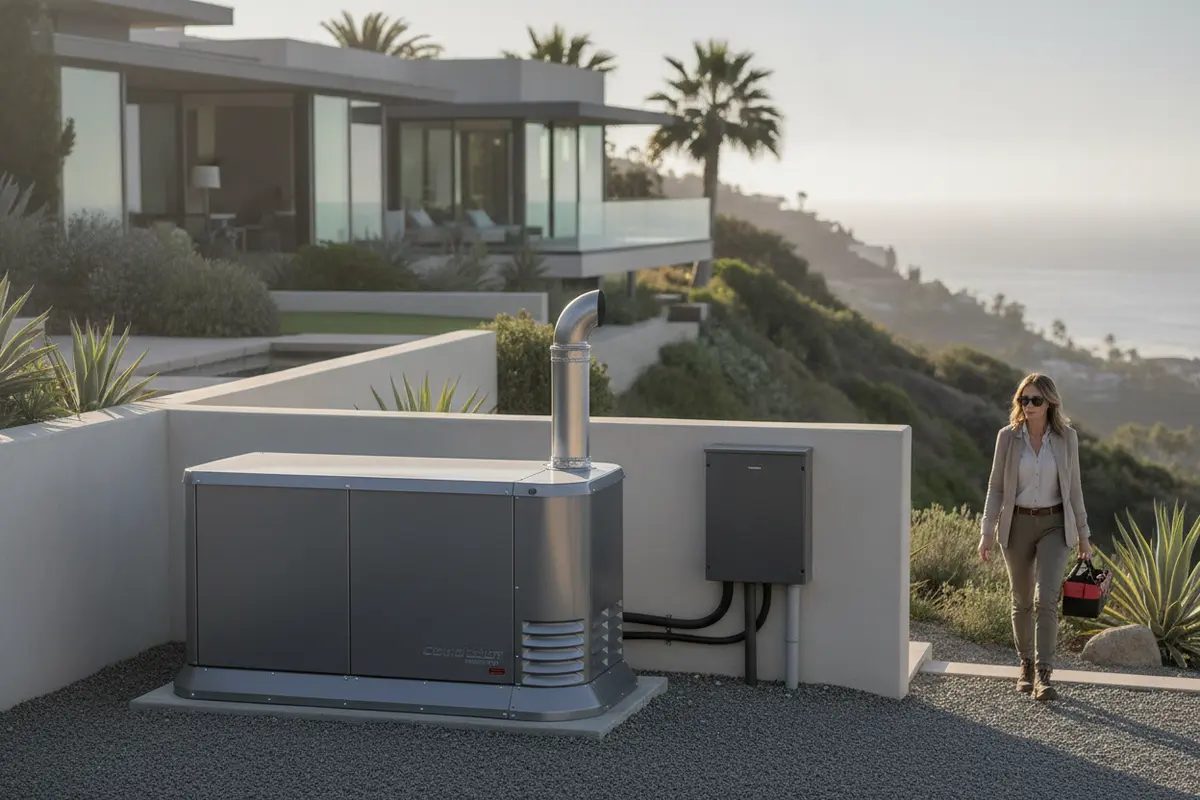
Short answer: Transfer equipment controls the connection between utility power and generator power. It helps prevent unsafe backfeed and directs backup power only where the system was designed to supply it.
A transfer switch or other approved transfer equipment separates the home from utility supply when a generator is in use. The specific arrangement must match the generator, electrical panel, and circuits in the plan. A homeowner should not improvise a panel connection, use a “suicide cord,” or plug a generator into a household outlet. These shortcuts can create shock, fire, and line-worker hazards.
Ask the installer to explain the system’s sequence in plain language. Which equipment detects a utility interruption? Which circuits are included? Does the system transfer automatically or require a household member to take steps? What should happen when utility service returns? These questions matter because standby and portable setups do not necessarily work the same way.
Have the proposal identify any panel work and state which circuits will be backed up. If the panel directory is incomplete, ask how circuits will be identified and labeled after the work. A panel upgrade may be relevant depending on the existing equipment and proposed loads, but it is not automatically needed for every system. The company’s page on electrical panel upgrades offers background on panel work to discuss with an electrician.
Ask for operating instructions that household members can follow without opening electrical equipment or touching energized parts. Keep them accessible, and make sure anyone who may operate the system knows which loads to leave off. For reference, Expert Electric Group also outlines generator sizing considerations for a 400-amp service; the right design still depends on the actual household loads and equipment.
What fuel and site details matter in Malibu?
Short answer: Fuel access, safe placement, service access, and local review can shape what is practical at a particular property. Have those details checked before choosing equipment or assuming a location will work.
For a fuel-powered generator, talk through the available fuel source, anticipated operating pattern, and how replenishment would work if a shutoff lasts longer than expected. Do not assume that fuel will be easy to obtain during a regional emergency. Ask the installer what the equipment requires, how fuel arrangements are addressed, and what maintenance is needed. Follow the manufacturer’s instructions and applicable requirements for the specific system.
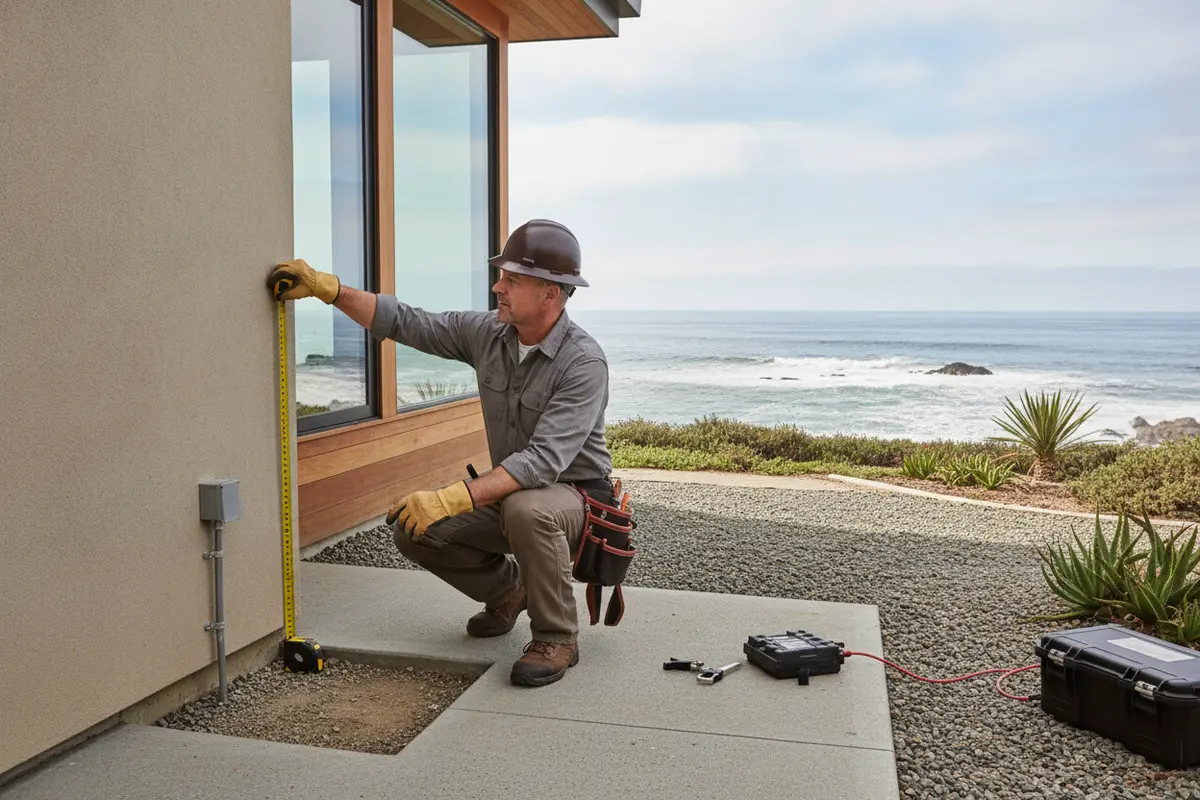
Location affects both safe operation and future service. The proposed spot needs appropriate separation from openings and occupied areas, suitable ventilation, and room for maintenance. Walkways, property boundaries, slopes, vegetation, access routes, and nearby doors or windows may affect the layout. A generic diagram cannot confirm that a placement is suitable for your home.
Malibu properties can have site and local-review considerations that vary by address and equipment. Ask which permits, reviews, or inspections may apply and who will coordinate them. The Malibu generator regulations guide provides topics to raise, but confirm current requirements for the specific installation rather than treating a general guide as approval.
Never operate a generator indoors, in a garage, or near doors, windows, or vents where exhaust could enter. Keep it outdoors in a well-ventilated location and follow the manufacturer’s safety instructions. Do not refuel a hot or running unit. Maintain carbon monoxide alarms as directed by their manufacturer, and leave installation, electrical connections, and repairs to qualified professionals.
How can you operate backup power safely during a shutoff?
Short answer: Follow the instructions for the installed system, use only planned loads, and do not troubleshoot energized electrical equipment yourself. A written operating plan is more useful than improvising during an outage.
Before a possible shutoff, charge phones and essential devices, set aside flashlights, and make sure household members know where system instructions are kept. Ask the installer how and when the equipment should be tested and maintained; follow the manufacturer’s schedule rather than experimenting. Keep the panel directory, emergency contacts, and the list of backed-up circuits accessible.
- When a shutoff is announced, review current utility and local-authority updates, charge devices, and prepare any essential equipment according to its own instructions.
- Use only the system’s documented startup and transfer procedure. Do not alter wiring or bypass transfer equipment.
- Start with the loads included in the plan. Add other approved loads only as the system instructions allow, accounting for equipment that may draw more power when starting.
- Monitor the equipment and fuel or available stored energy as directed by the manufacturer. Stop and seek help if you notice a fault, abnormal noise, smoke, or another warning sign.
- When utility power returns, use the documented transfer and shutdown sequence before changing loads or disconnecting equipment.
Do not assume a planned shutoff will happen exactly as first announced or that restoration estimates will remain unchanged. The City of Malibu published a notice about an SCE cancellation of a contemplated PSPS affecting Cuthbert and Galahad Circuits; the City’s notice illustrates why residents should check current utility and local-authority information for event-specific updates.
If there is an electrical burning smell, smoke, sparking, or damaged equipment, stay clear and seek qualified help. Do not open a panel or touch damaged wiring. Expert Electric Group provides 24-hour emergency electrician services; its emergency electrical troubleshooting guide also describes when a problem needs professional attention.
How do you turn a list of appliances into a load plan?
Short answer: Record what each load needs, when it must operate, and what can be paused; then have an electrician verify the electrical requirements. This turns a vague goal into a design conversation.
Use a simple worksheet with four columns: equipment, purpose, operating pattern, and priority. For example, a refrigerator might be marked “food storage,” “runs through the day,” and “essential.” A garage door opener might be “access,” “brief use,” and “useful.” A phone charger may draw relatively little power but still matter because it supports communication. The point is not to estimate exact electrical demand yourself; it is to explain which service matters and when.
Next, identify loads that may compete. Imagine a household that wants refrigeration, a pump, lighting, and cooking equipment. Rather than assume all will run at the same time, ask whether the pump can operate while cooking is postponed, or whether another load can remain off when a motor starts. This example does not establish that a particular generator can serve those loads. Actual starting and running demands must be checked against equipment information and assessed at the property.
Then consider the outage duration that your plan should address. A plan focused on a short interruption may prioritize keeping communication devices charged and essential circuits available. A longer interruption adds questions about fuel replenishment, battery recharge, refrigeration practices, and whether household members need another place to stay. The electrical design and the household continuity plan are related, but neither one replaces the other.
Finally, check the list with everyone who will rely on the system. One person may assume a home office outlet is included while another expects a medical device or a pump to take priority. Resolve such differences before the equipment is selected. Keep a copy of the agreed priorities with the operating instructions.
What should you check before installation?
Short answer: Get a clear scope that states the equipment, covered loads, transfer method, site assumptions, and review steps. Compare proposals by what each will actually provide, not only by equipment labels.
Before selecting a system, ask who will assess the property, what electrical work is included, and which permits or inspections may apply. Requirements can depend on equipment, fuel, placement, and jurisdiction. A neighbor’s setup is not proof that an identical design or location is suitable at your address.
Have the written proposal address:
- The generator or battery system being considered and the loads it is intended to support.
- The transfer equipment and how the home will switch between utility and backup supply.
- Fuel or stored-energy assumptions and any expectations for replenishment or recharging.
- The proposed location, required clearances, maintenance access, and any site constraints that need review.
- Panel work, circuit identification, and any existing electrical conditions that could affect the design.
- Who will confirm and coordinate required permits, reviews, and inspections, and what documents you will receive.
- How the equipment should be tested, maintained, operated, and shut down.
Compare proposals on equal terms. If one covers a handful of circuits and another assumes broader household use, their equipment and scope may not be comparable. Ask each provider to explain the expected operating pattern, what must be switched off, and what assumptions could change after a site review. A clear description helps you understand the tradeoffs without treating a headline capacity as a promise to run every appliance.
If lights flicker or a panel buzzes, mention it before backup equipment is planned. Those symptoms deserve appropriate attention on their own; they should not be treated as proof that a generator will solve the issue. Read about flickering lights and electrical safety and electrical panel buzzing as context for questions to raise.
What should you prepare before requesting an assessment?
Short answer: Bring a prioritized load list, information about the panel and site, and a realistic idea of what an outage plan should accomplish. Better inputs make it easier to discuss suitable options.
Gather these details before calling:
- Your address and any known constraints around access or possible equipment placement.
- A list of essential and optional appliances, with model numbers or electrical ratings where available.
- Clear photos of the main panel and any subpanels, including existing circuit labels.
- Information about existing solar, batteries, generators, transfer equipment, or recent electrical work.
- Your preferred operating duration and the loads you are willing to leave off or use at different times.
- Questions about fuel, maintenance, permits, inspections, operating steps, and the service included.
Ask the electrician to walk through the proposed load group, transfer arrangement, placement, and assumptions. If your priorities include critical medical equipment, state that early and consult the care provider about a separate contingency plan. If you are also considering related electrical work, Expert Electric Group’s electrical services overview provides context for other work that may be discussed.
Call (747) 999-6090 to discuss your home’s backup plan
Frequently asked questions
Does every Malibu home need a whole-home generator?
No. Some households may prefer selected essential circuits, while others may want broader coverage. The design depends on electrical demand, household needs, available fuel or stored energy, site conditions, and how the system is expected to operate.
Can I use a portable generator during a PSPS?
A portable generator may be an option when it is used outdoors, installed transfer equipment provides an appropriate connection, and the equipment is operated according to its instructions. Never operate it indoors or connect it directly to home wiring through an outlet or improvised cable.
How long will a generator run?
Run time varies with the specific equipment, fuel supply, connected load, and operating conditions. Ask about the particular model and expected load, and include a replenishment plan where relevant. Do not assume a general estimate applies to your installation.
Will a generator start automatically during a shutoff?
Some standby systems are configured to detect a utility interruption and transfer power automatically; other arrangements require manual action. Ask the installer to explain the sequence for your equipment and follow its operating instructions.
What is the first step in planning backup power?
List the equipment you want to keep available and note what can be switched off. Then arrange an assessment of the electrical system, site, and transfer requirements so the design can be based on your property rather than a generic estimate.
For help evaluating backup power options for your Malibu home, contact Expert Electric Group at (747) 999-6090 and discuss your essential loads, site, and outage priorities.
