
Reliable backup power Malibu homeowners can count on starts with matching a system to the circuits and equipment that matter most. A coastal outage can interrupt refrigeration, lighting, communications, medical equipment, or well and gate systems, depending on the property. Before choosing equipment, decide what must stay on and ask a licensed electrician to review the electrical system. For help planning the next step, call (747) 999-6090.
Call (747) 999-6090 to discuss backup power options
What does reliable backup power mean for a Malibu home?
Short answer: It means having a suitable power source, correctly installed transfer equipment, and a clear plan for which loads will operate during an outage.
There is no single system that fits every home. A compact battery system may cover selected circuits for a limited time. A standby generator can supply a broader set of loads while fuel is available. A portable generator may help with a smaller, temporary need, but requires careful setup and attention whenever it is used.
Start with the actual outage priorities. List essential items such as a refrigerator, selected lights, internet equipment, security systems, or a medical device. Add larger equipment only after determining its electrical requirements and starting demand. Air conditioning, pumps, electric cooking, and other high-draw appliances can change the system size substantially. An electrician can assess the panel, service capacity, and circuits before equipment is selected.
Expert Electric Group serves residential and commercial customers across the Greater Los Angeles area, including Malibu, and provides generator and electrical services. Its whole-home backup system installation information is a useful place to begin comparing project scope. The company also provides electrical services that can help address related panel or wiring needs.
Which backup power system fits your priorities?
Short answer: Choose a system by its usable capacity, the loads it can support, operating duration, and the level of hands-on operation you can manage.
Compare the main options before focusing on a particular product. A whole-home label does not mean every appliance can run at once; the installed system still has to be sized and configured for the home. Ask the installer to explain both what the system can supply and what will be excluded.
| System type | Typical fit | Key planning questions |
|---|---|---|
| Standby generator | Automatic or planned backup for selected circuits or a broader home load | What fuel and placement are suitable? Which circuits will transfer? What maintenance is required? |
| Portable generator | Temporary support for limited, prioritized equipment | How will loads be connected safely? Where can it operate outdoors? Who will monitor it? |
| Battery backup | Quiet power for selected loads, with capacity and duration dependent on system design | How much energy is usable? Can it recharge during a longer outage? Which loads are supported? |
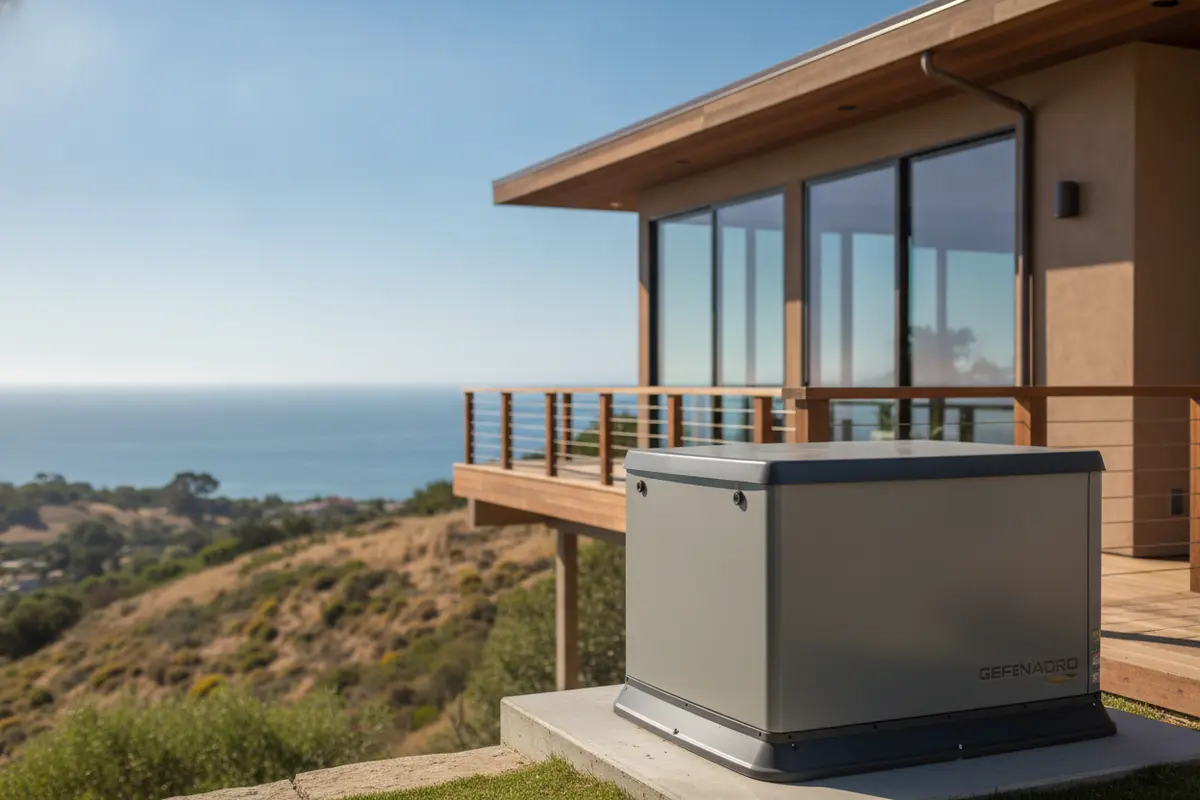
These are planning distinctions, not a substitute for a site assessment. Review a generator’s output, the home’s demand, and the transfer arrangement together. A generator minimum-load guide can help explain why demand and system operation need to be considered as a pair. For existing Generac equipment, the company’s Generac generator sales and system information can also help frame questions about available solutions.
How should you decide which circuits to back up?
Short answer: Make a prioritized circuit list, then have an electrician verify its electrical demand and whether the existing panel can support the planned backup arrangement.
Begin by separating essential loads from comfort loads. Essential loads might include refrigeration, a few lighting circuits, internet equipment, and specific safety or medical equipment. Comfort loads might include multiple rooms of lighting, entertainment equipment, or air conditioning. The right list depends on your household and equipment.
Next, note each item’s voltage, electrical rating, and whether it has a motor or compressor. Motors can draw more power when starting than while running. If multiple large loads start at once, the system may be strained even when their normal running loads appear manageable. Do not estimate a final generator size from a simple appliance count. Ask an electrician to perform load calculations and identify starting demands.
Decide if a load can be staggered or temporarily switched off. A household might prioritize refrigeration and communications first, then operate a pump or other major load only when needed. The installer can explain whether the proposed controls and transfer equipment make that plan practical. For homes with larger service, this guide to generator sizing for 400-amp service illustrates why service size alone does not determine the correct backup generator. Also consider how the household uses each space. A home office may need internet and a small number of outlets, while a garage or exterior gate may have different electrical needs. If you rely on an electrically powered pump, identify its starting requirements and how long it needs to run. These details help the electrician distinguish essential circuits from convenient ones. Do not assume every receptacle in a room will be backed up just because the room’s lighting is included.
Think about comfort and practical operation, too. A system may technically support several loads but still require the household to avoid using them at the same time. Ask what happens if two high-demand appliances start together and whether there is a clear way to see which circuits are active. If you plan to add an EV charger, remodel, or install new equipment, mention that during the assessment. Those plans may affect panel work or system design. Good load planning balances current needs with reasonable near-term changes.
Write down any equipment that cannot be interrupted and bring its model information to the assessment. This is especially important when medical equipment or specialized systems are involved. The final design should be reviewed for the specific equipment and operating duration required, rather than relying on general assumptions.
Why does transfer equipment matter?
Short answer: Transfer equipment manages the connection between utility power and backup power so the electrical system changes sources in a controlled way.
A generator should not be connected to home wiring through an improvised cord or arrangement. Incorrect connections can create shock, fire, or backfeed hazards. A qualified electrician can determine which transfer equipment is appropriate, where it belongs, and how it should be coordinated with the panel and generator. The details vary by system design and the home’s electrical configuration.
Ask whether the plan transfers the entire panel or selected circuits, how loads are managed, and what the household must do when power fails or returns. Get a clear explanation of any manual steps. If the system includes a new subpanel or panel changes, ask how those modifications affect capacity and future electrical projects.
For a project overview, see Expert Electric Group’s information on connecting a generator to a home’s electrical system and its page about whole-house generator installation requirements. These are starting points for a discussion with a professional, not directions for a do-it-yourself connection.
What placement and approval details should Malibu homeowners check?
Short answer: Confirm the proposed location, clearances, fuel arrangement, and local approval requirements before installation begins.
On a Malibu property, the available outdoor space, building layout, slope, landscaping, and neighboring structures can all affect where equipment may be placed. A site visit can reveal practical constraints that are not obvious from a product listing. Ask the installer to explain the proposed location and how the equipment will be accessed for service.
Do not assume that a location is acceptable because another home has equipment in a similar spot. Requirements can depend on the property and the applicable authorities. Confirm which permits or reviews may apply with the relevant local building and fire authorities, and ask who will coordinate them. Expert Electric Group’s Malibu generator regulations guide offers a local checklist to discuss, but requirements should be confirmed for the specific address and project.
Fuel availability, exhaust direction, noise considerations, and safe access also deserve attention in the proposal. Ask whether the site plan shows the actual equipment position and whether any changes to the electrical panel or fuel supply are included. A complete plan helps prevent late surprises and gives the household a clearer picture of what is being installed.
How can you plan for outages that last longer?
Short answer: Estimate which loads need power over time, know the system’s operating limits, and plan how fuel or stored energy will be replenished.
Backup duration depends on the system, the connected demand, and available fuel or stored energy. A battery can provide a predictable amount of stored energy, but its duration changes with the loads in use and its ability to recharge. A generator can continue operating while it is maintained and supplied with appropriate fuel, but it also has operating requirements that should be understood in advance.
Think in stages. Which circuits must stay on continuously? Which can run for short intervals? What can be turned off if an outage continues? Write a practical household plan and make sure everyone knows which loads are on the backed-up circuits. Avoid assuming that a system can carry additional equipment just because it handled a previous outage.
The National Weather Service describes battery systems as one of the technologies that may support household backup power. Review its overview of new technologies for whole-home power backup as background, then verify system capability with the manufacturer and installer. You can also discuss existing system behavior with an electrician using this guide to checking generator load.
What maintenance and testing should be part of the plan?
Short answer: Follow the equipment maker’s maintenance schedule, keep service records, and ask a qualified provider how the system will be checked before an outage.
Backup equipment is most useful when it is ready to operate. Maintenance requirements vary by equipment type and model. A standby generator may need scheduled inspections and servicing; a battery system has its own operating and service guidance. Ask which tasks are owner responsibilities and which should be performed by a qualified technician. Keep the manuals, installation information, and service contacts where household members can find them.
Discuss how the system is tested, what warning indicators require attention, and how to report a fault. Do not bypass a safety feature or open energized equipment to investigate a problem. If you already have a Generac system, Expert Electric Group’s generator maintenance information can help you identify questions about ongoing care. For a system that is not operating as expected, review the company’s Generac power-loss troubleshooting overview and seek professional service when needed.
Keep a simple outage log. Record when equipment was last checked, any alarms, and which loads worked as expected. This information can help a technician diagnose an issue and can guide future adjustments to the household’s load priorities. Keep a printed copy of the operating instructions, the service provider’s contact information, and the system’s circuit list together. If household members have different responsibilities, agree in advance who checks status indicators and who contacts a service provider. Never refuel or service equipment while it is running or hot; follow the manufacturer’s safety instructions and ask a qualified technician about any step you do not understand. A practical written plan is more useful than relying on memory during a stressful outage.
How should you compare installation proposals?
Short answer: Compare the written scope, load assumptions, transfer method, permits, placement, testing, and ongoing service—not only the equipment name.
A useful proposal should identify the system being considered and explain the loads it is intended to support. It should also state whether panel work, transfer equipment, wiring, permits, start-up, and owner orientation are included. Ask how the installer arrived at the load plan and what is excluded. Costs depend on scope, equipment, site conditions, and materials, so compare proposals with the same priorities and scope in mind.
Ask who will perform the electrical work and how the finished system will be tested. Confirm what documentation you will receive and whom to contact for service. If existing wiring, a panel issue, or another electrical concern may affect the project, request an assessment before selecting equipment. Expert Electric Group’s electrical diagnostic test information may help frame that conversation.
Before approving a proposal, make sure you can answer three questions: What will remain powered? What will the household need to do during an outage? Who is responsible for installation coordination and future service? Clear answers help you judge whether the plan meets your practical needs.
Call (747) 999-6090 to request a backup power assessment
Frequently asked questions
Can a battery system power an entire Malibu home?
It may be possible to configure a battery system for a broad set of household loads, but capacity, output, charging options, and load management determine what it can actually support and for how long. Have an installer assess the loads you want to operate and explain the system’s limitations.
Does a standby generator automatically power every circuit?
Not necessarily. The installed generator and transfer equipment determine whether it supports selected circuits or a broader panel, and system capacity limits how much can run at once. Confirm the included circuits and load plan before installation.
Can I connect a portable generator directly to my panel?
Do not make an improvised connection or attempt to backfeed a panel. A safe connection requires appropriate equipment and professional installation. Ask a licensed electrician to explain a compliant arrangement for the home.
How often should backup equipment be serviced?
Follow the instructions for the specific make and model, since schedules differ. Ask the installer or service provider to explain routine maintenance, testing, warning signs, and where to keep service records.
Call (747) 999-6090 to plan your home’s backup system
Reliable backup power begins with a realistic load list, a professionally designed connection, and a maintenance plan you understand. Review the available options for your property and confirm the details before choosing equipment.
